
What Is an EV Ready Home Electrical System?
An EV ready home electrical system is essential for homeowners planning to install electric vehicle charging and future-proof their energy needs. With more homeowners planning to purchase an EV within the next decade, preparing your home’s electrical system has become a smart, future-focused investment. An EV-ready home not only supports convenient at-home charging, but also improves safety, increases property value, and avoids costly rewiring later.
This guide explains how to design a home electrical system that can support EV charging now—and scale for the next 10 years.
How to Plan an EV Ready Home Electrical System for the Next 10 Years
1. Start with an Electrical Load Assessment
Before installing an EV charger or upgrading circuits, the first step is a home load assessment.
A licensed electrician evaluates:
-
Existing switchboard capacity
-
Age and condition of wiring
-
Current household electrical demand
-
Spare circuit availability
-
Maximum load permitted by your local grid connection
Most older Australian homes (built pre-2000) were not designed for high-demand appliances like:
-
EV chargers
-
Heat pumps
-
Induction cooktops
A load assessment shows whether your current system can handle Level 2 charging or needs an upgrade.
2. Choose the Right Phase: Single-Phase vs Three-Phase
This is one of the most important decisions for future-proofing.
Single-Phase Home
-
Common in older residential homes
-
Supports 7.4 kW EV charging
-
Adequate for overnight charging for most households
Three-Phase Home
-
Ideal for future EVs with higher onboard chargers
-
Supports up to 22 kW AC charging
-
Useful for homes with:
-
Multiple EVs
-
High electrical load appliances
-
Recommendation:
If you are renovating, building a new home, or planning for two EVs, upgrading to three-phase is strongly recommended.
3. Upgrade the Switchboard for EV Load
An EV charger requires a dedicated circuit and RCD/RCBO protection.
A modern switchboard ensures:
-
Safety compliance (AS/NZS 3000)
-
Stable charger performance
-
Protection against overload
-
Faster fault isolation
Older ceramic-fuse boards must be replaced with RCBO-protected boards before any EV charger installation.
4. Plan for a Dedicated EV Charger Circuit
Australian standards require EV chargers to run on a dedicated circuit isolated from other household loads.
Typical requirements:
-
32A circuit for 7.4 kW chargers
-
20A circuit for 3.6 kW chargers
-
3-phase 32A circuit for 22 kW chargers
-
Cable size: 6mm²–10mm² depending on run length
-
Mandatory RCD/RCBO protection
This ensures safety, prevents nuisance tripping, and maximises charging speed.
5. Ensure Your Meter Box Location Is EV-Friendly
The distance between the switchboard and the charging location matters.
Long cable runs can:
-
Increase installation cost
-
Require thicker cabling
-
Reduce charging efficiency
Where possible, locate the charger close to:
-
Garage wall
-
Carport pillar
-
Driveway walls
-
House exterior near parking area
Planning cable pathways early reduces installation time and cost.
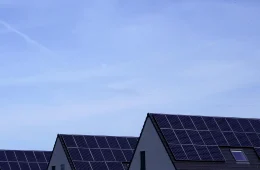
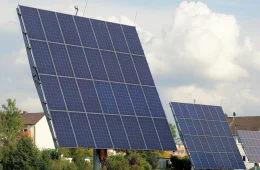
6. Integrate Solar and Battery Storage into the Plan
EV charging is the perfect use-case for solar energy.
Solar + EV Benefits
-
Charge your EV for free during the day
-
Reduce grid dependence
-
Protect against rising energy costs
-
Support a cleaner, low-carbon lifestyle
Battery + EV Benefits
-
Charge overnight using cheap solar energy stored during the day
-
Avoid peak-hour tariffs
-
Provide emergency backup during outages
If you are preparing for the next 10 years, design your system with solar + battery in mind so all components work seamlessly as energy demand grows.
7. Allow Space for Future Chargers and Multiple EVs
Australia is moving toward multi-EV households.
Plan for:
-
Two dedicated EV charger circuits
-
Additional switchboard space
-
Future cable conduits
-
Three-phase upgrade potential
-
Smart load-management systems
This avoids expensive reinstallation costs later.
8. Install Smart Energy Management Systems
Smart chargers and load-management devices help distribute energy safely and efficiently.
Smart EV chargers can:
-
Adjust charging speed based on home demand
-
Prioritise solar energy
-
Charge during off-peak hours
-
Prevent overload by regulating circuit load
-
Integrate with home automation
This protects your electrical system while optimising cost and performance.
9. Consider Vehicle-to-Home (V2H) and Vehicle-to-Grid (V2G) Compatibility
Over the next decade, V2H/V2G will become standard features in EVs.
Design your home for:
-
Bi-directional chargers
-
Higher-capacity switchboards
-
Smart grid-ready circuitry
-
Backup power integration
This prepares your home to use your EV as a portable battery in emergencies.
10. Work Only with Accredited EV Charger Installers
The future of your home electrical system depends on installation quality.
Choose installers who are:
-
Licensed electricians
-
EV charger certified
-
Familiar with AS/NZS 3000 and 4777
-
Experienced in solar, battery, and load-management integration
A compliant installation ensures safety, longevity, and warranty protection.
Key Features of an EV Ready Home Electrical System
✔ Dedicated EV charging circuit
✔ Upgraded switchboard capacity
✔ Smart energy management system
✔ Solar + battery integration readiness
✔ Load balancing for efficient power usage
Planning an EV ready home electrical system ensures your home is prepared for future energy demands and electric vehicle charging.
Conclusion: Your Home Needs to Be EV-Ready Before You Buy an EV
With rapid growth in electric mobility, preparing your home now ensures you can charge safely, quickly, and cost-effectively for the next decade. From switchboard upgrades and cabling to solar, battery storage, and smart load management—future-proofing your electrical system is one of the most valuable investments you can make.
Connect Energy provides fully accredited EV charger installations, switchboard upgrades, solar integration, and complete EV-ready home electrical planning across Queensland.
For more details, you can Book an appointment or Call us directly +0733 765023